
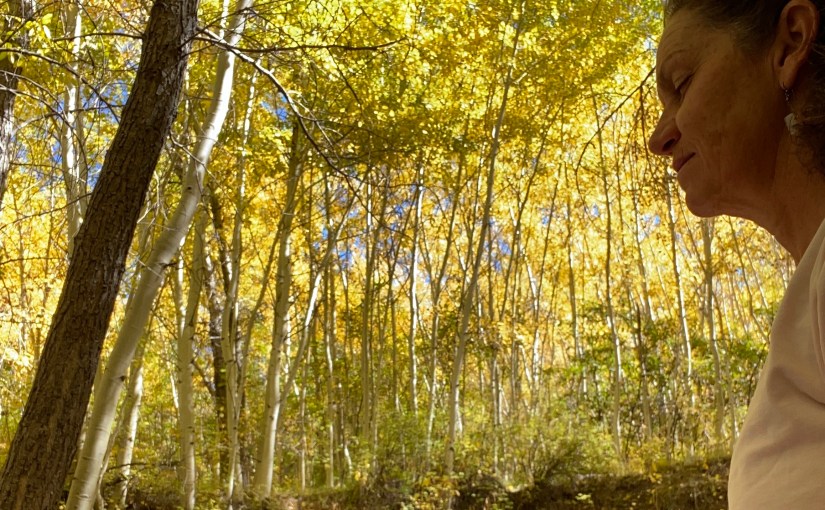
Meditating on the Change of Seasons
I subscribe to a variety of meditation magazines and online blogs, always curious to deepen my understanding of meditation. Recently, I read an article titled “The Joy and Dread of Autumn” by Jay Michaelson that spoke directly to my heart. Michaelson writes, “At this time each autumn, as leaves begin to fall in earnest … I actually feel a desire to somehow paste them back onto the trees.” Reading this, I thought to myself, “Yeah, that’s usually how I feel, but not this year.”
After an exceptionally hot and uncomfortable summer, I find myself more willing than usual to welcome the change of seasons. Recently, our area received an extraordinary amount of moisture, and the gardens are rejoicing with late blooms. This year, the cooler temperatures and changing season feel less like something I need to resist.
Perhaps this is another lesson in impermanence. Not only do the seasons change, but our feelings about change can too. Michaelson writes, “Even if the autumn leaves are riotously beautiful, the bare branches of February are bleak and dour.” I still grieve the passing of the green season into what I consider the nostalgic brown season. There is something melancholy about watching the leaves turn, fall to the ground and eventually disappear. But this year, alongside that sadness, I feel a sense of relief and gratitude.
If we look into the first Dharma Seal, impermanence, we see that it doesn’t just mean that everything changes. By looking into the nature of things, we can see that nothing remains the same for even two consecutive moments. (Thich Nhat Hanh)
In Buddhist teachings, impermanence is the understanding that everything is continually changing. Nothing stays exactly as it is. Leaves change color and fall to the ground. Flowers bloom and fade. We grow older. Our bodies change. Relationships evolve. Even our emotions are constantly shifting.
We may understand this intellectually, but accepting it emotionally can be much harder. When I notice myself longing for summer, I can feel it in my body as churning in my stomach or heaviness in my heart. Instead of trying to talk myself out of these feelings, I can simply notice them. There is sadness here. There is resistance. There is a desire for things to stay the way they were.
Mindfulness gives us a way to be present with these feelings without needing to change them.
But mindfulness also invites us to notice what else is true. This year, I can feel gratitude for the cooler weather. I can appreciate the rain and the renewed moisture in the earth. I can enjoy the changing colors without wishing them away. After this summer’s heat, the coming of autumn feels like a welcome reprieve.
Perhaps equanimity is also what the changing seasons ask of us: to stay present at the threshold, where one thing is fading and another is arriving. I can feel the ache of what’s being lost without overlooking the quiet relief of what is coming. This can be a wonderful practice for families, too. The changing season offers a simple way for children to explore their own responses to impermanence.
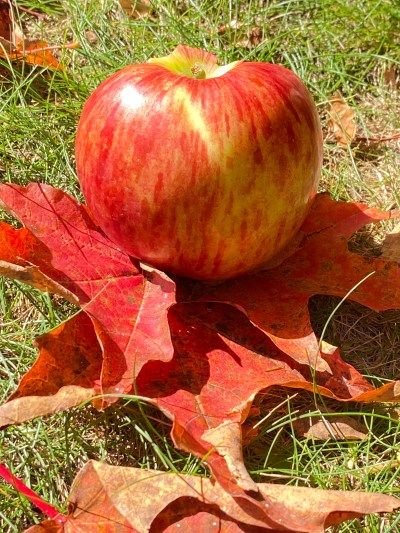
Find a quiet place outdoors, perhaps on a hike, in a backyard or in a park. Sit together among the trees and begin by noticing where your bodies touch the earth. Take a few slow breaths and then simply ask yourself: How do I feel about seasonal change? There is no right answer, and no need to say anything aloud. From there, let the senses guide the practice. What colors do you see in the leaves, branches and plants? What is the temperature of the air? Can you smell the earth, fallen leaves or evergreen trees? What sounds do you hear? Perhaps birds, squirrels, wind moving through the trees or leaves rustling across the ground. Just notice what is here in the moment. We are experiencing change rather than merely thinking about it. The leaves are changing. The air is cooling. The landscape is becoming something different. We are changing.
Of course, I don’t expect to have suddenly become an autumn aficionado. I suspect I will always have a preference for the green season and feel a little nostalgic when it turns to the brown season. But perhaps this year I am honing my understanding of impermanence and equanimity. I can miss summer and still welcome fall. I can mourn what is passing while appreciating what is arriving. Maybe that is the wisdom of the seasons: nothing stays the same, and nothing needs to. The leaves will fall. Winter will come. Spring will return.
For now, we can breathe in the cooler air, enjoy the changing landscape and be grateful for this moment in the cycle of life. Just as the seasons move from one to another, our own lives continually ask us to adapt, release and begin again. Mindfulness can help us meet these transitions with greater awareness and compassion, without holding too tightly to what is passing or rushing toward what comes next. If you’d like to explore impermanence and equanimity through meditation, Mindful Frontiers offers meditation guidance customized to your specific needs, creating space to pause, reconnect and become more present for whatever season of life you are experiencing.
************************************
Anne-Marie Emanuelli is a mindfulness meditation teacher and founder of Mindful Frontiers LLC. She leads community meditation groups in Taos on Mondays 10-11am at Taos Enchanted Village and Wednesdays 12-1pm at the Taos Public Library. Mindful Frontiers offers meditation & mindfulness classes, guided practices, workshops, and customized programs that support emotional well-being and resilience. Learn more at MindfulFrontiers.net.


You must be logged in to post a comment.